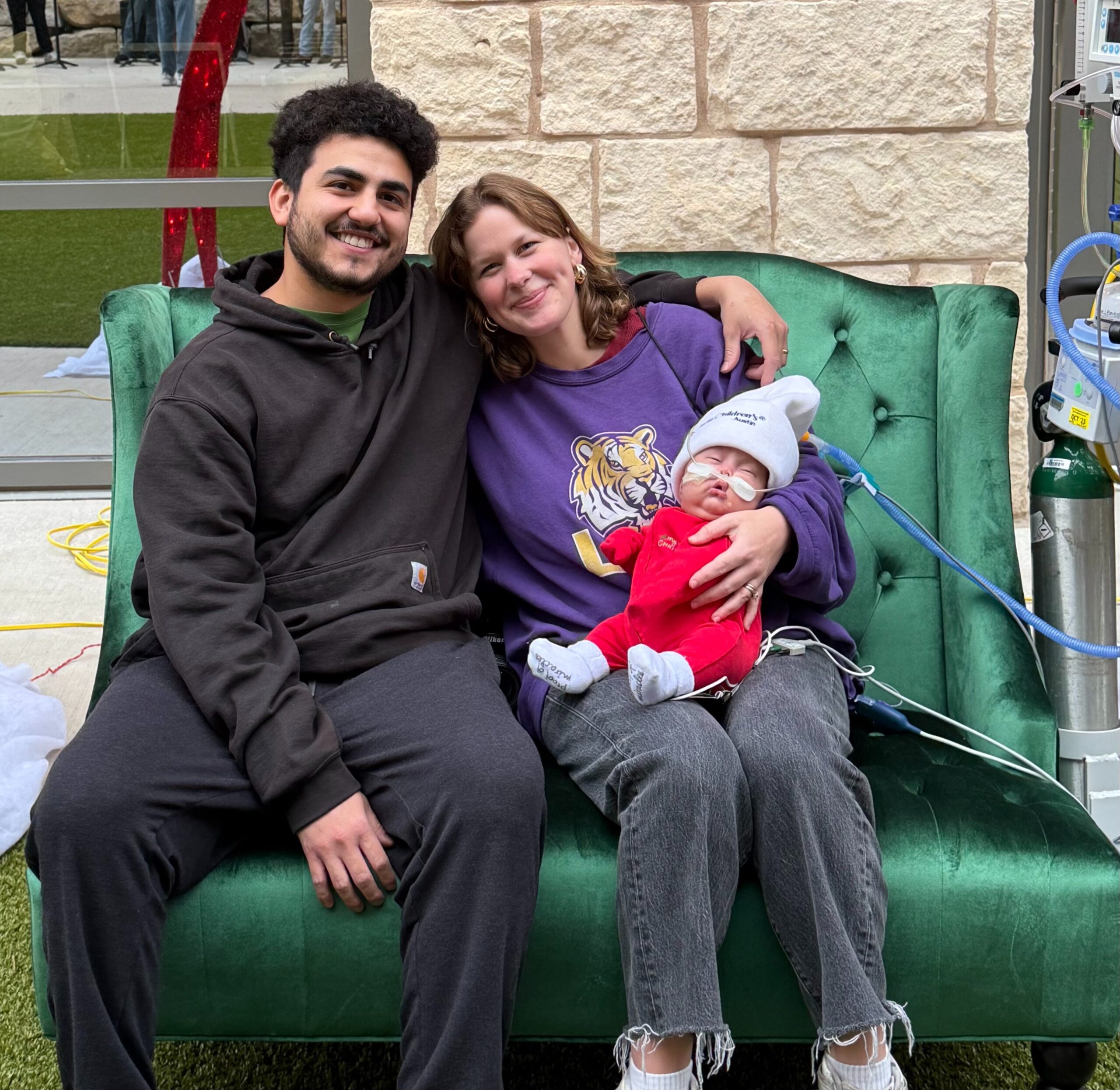
For parents, there’s nothing more grounding than knowing your child is in the best possible hands, especially when life takes an unexpected turn. For families in the Austin area, Texas Children’s Hospital is making that reassurance more accessible than ever, bringing the same nationally recognized expertise and compassionate care closer to home.
Josie’s story is a powerful example of just how much that matters.
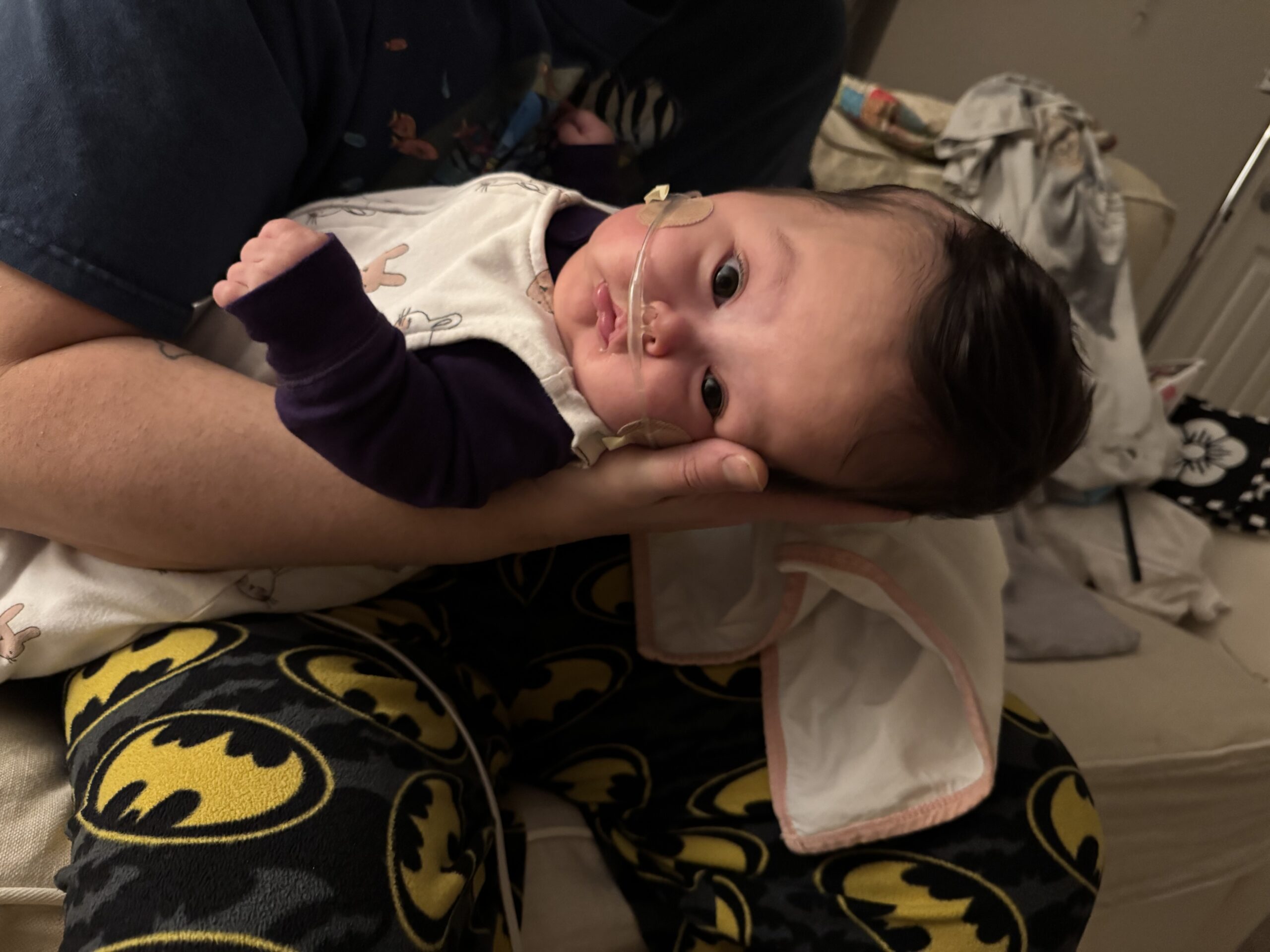

At a routine 20-week anatomy scan at an MFM clinic in Lakeway, Josie’s parents received devastating news. Josie had spina bifida – her spine was open on her back and imaging also showed hydrocephalus, a buildup of fluid in the brain.
Their care team quickly connected them with Texas Children’s Hospital (TCH), known worldwide for its leadership in fetal surgery and pediatric neurosurgery. From the start, Josie’s mom says the experience felt different.
At just 25 weeks pregnant, Kaylee (Josie’s mom) underwent in-utero fetal surgery. An incredibly complex, eight-hour procedure performed by a highly specialized Texas Children’s team in Houston.
Using small port sites and long, delicate instruments, surgeons carefully accessed Josie, closed her spine, protected her nerves, and then closed the uterus. The surgery required an incision from hip to hip for Josie’s mom and weeks of recovery afterward.
Texas Children’s Hospital pioneered fetoscopic fetal surgery techniques, and these procedures are now being adapted around the world. Research shows fetal surgery for spina bifida can double the likelihood of walking later in life and cut the need for additional surgeries nearly in half.
At the time, Josie’s family had to travel to Houston for surgery and hospitalization. After 18 days in the hospital, Kaylee was discharged and returned home to the Austin area.
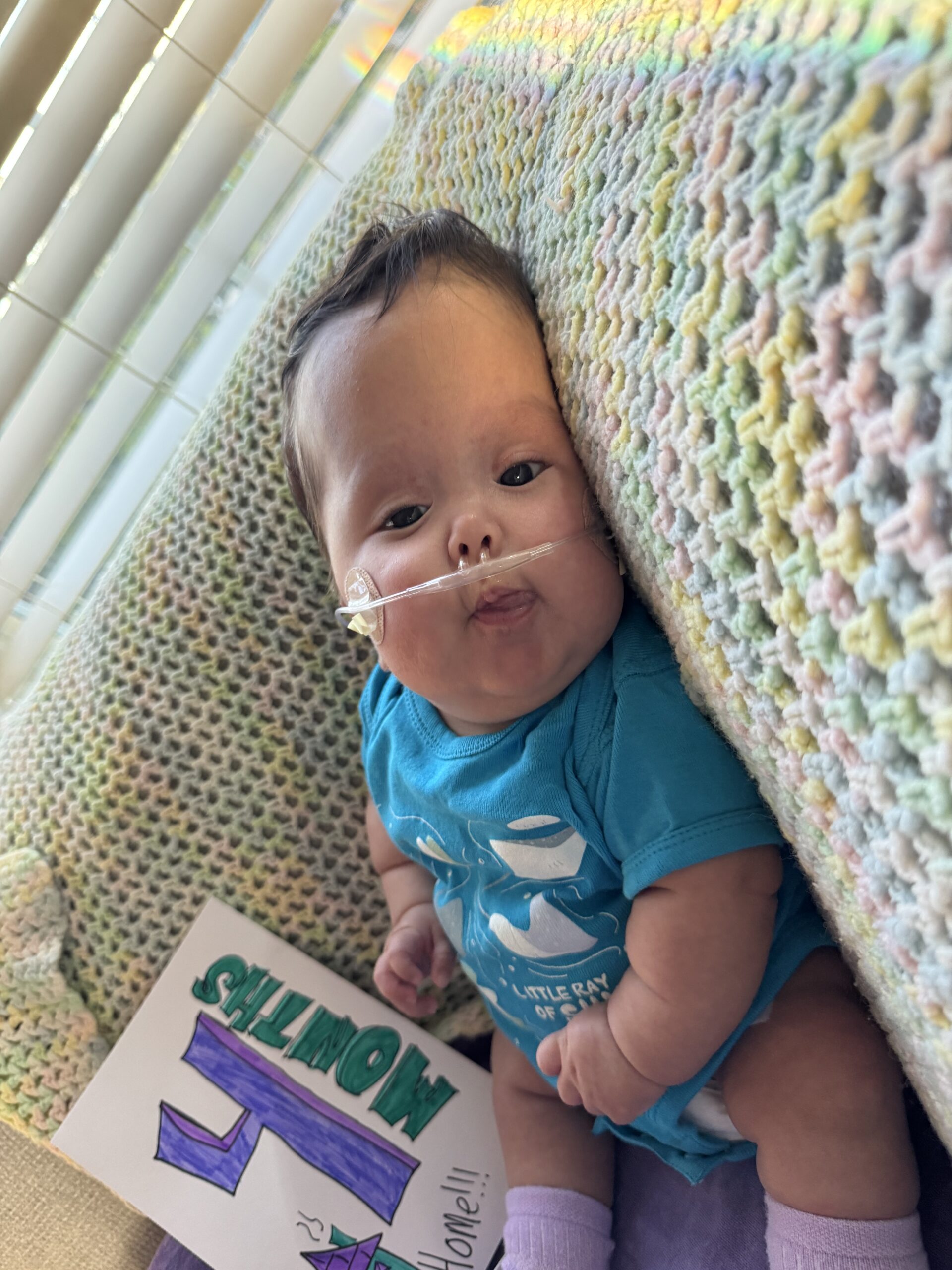
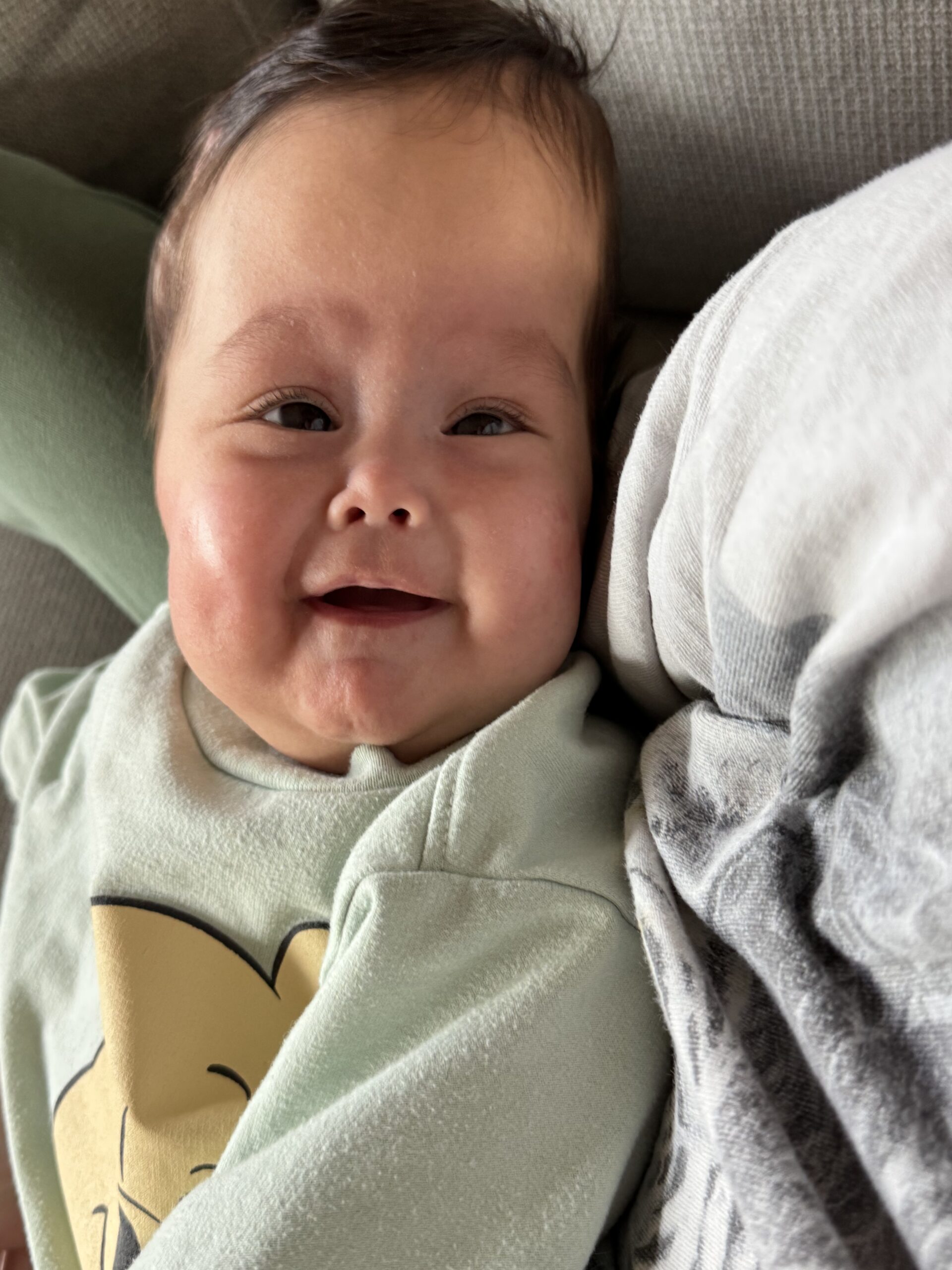
Complications followed, including placental separation, and Josie was delivered at just 31 weeks. Despite her early arrival and a NICU stay, Josie continued to show incredible strength.
Her neurosurgeon, Dr. Patel, closely monitored her hydrocephalus. While a brain shunt was initially expected, Josie ultimately did not require further surgery.
Today, Josie is thriving and meeting milestones.
“Spina bifida can come with many long-term challenges – mobility, bladder and kidney function, neurosurgical needs,” Kaylee explained. “But having a team that communicates and works together changes everything.”
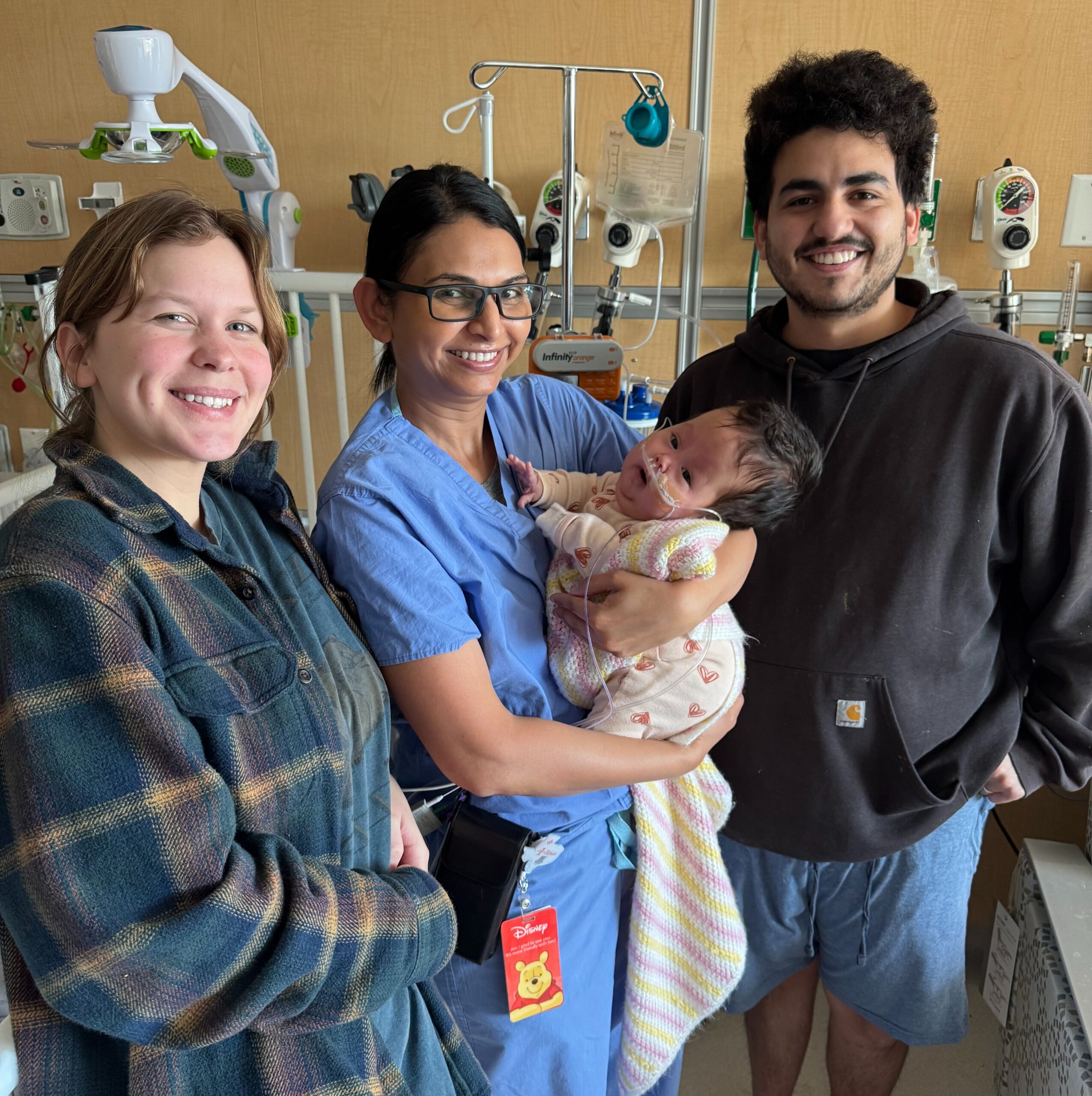
That coordinated approach is exactly what Texas Children’s Hospital Austin is building for families across Central Texas.
With the launch of a Spina Bifida Clinic in Austin, led by Dr. Buskmiller, patients like Josie can now see all their specialists in one day – neurology, neurosurgery, urology, therapy, and more. This allows providers to collaborate in real time, reducing stress on families and improving outcomes for children.
Even more impactful for local families:
- The Texas Children’s Fetal Center in Austin can now diagnose complex conditions locally
- Fetal surgeries officially launched in Austin in 2026, allowing families to receive world-class care without leaving their community
For Josie’s family, knowing this level of care is now available in Austin is incredibly meaningful.
“It means other families won’t have to leave home like we did,” Kaylee shared. “They can stay close to their support systems and still receive the same amazing care.”
The first year after a spina bifida diagnosis often includes frequent appointments, therapies, and monitoring. Over time, those visits taper but having trusted specialists nearby makes every stage more manageable.
Josie’s journey is a reminder of what’s possible when expert medicine and compassionate care come together. Dr. Buskmiller said their goal is always human-first medicine. Texas Children’s Hospital Austin is bringing that promise to families across the region so parents don’t have to choose between world-class care and being close to home.